The evolution of casinos A journey through history
Origins of Gambling
The concept of gambling can be traced back to ancient civilizations, where games of chance were a common form of entertainment. Archaeological evidence suggests that the earliest known gambling activities occurred in China around 2300 B.C., with rudimentary games played with tiles. These early forms of gambling set the stage for the development of more structured games, leading to the establishment of formal gambling institutions in later periods. Today, platforms like solana casino provide players with exceptional experiences in the gaming world.
The ancient Romans also played a crucial role in the evolution of gambling. They introduced dice games and betting on gladiatorial contests, which became popular among the masses. This fascination with games of chance continued through the ages, influencing various cultures to adopt their own forms of gambling, leading to the spread of gambling practices across the globe.
During the Middle Ages, gambling was often tied to social class and status, with nobles enjoying exclusive access to certain games. The rise of fairs and markets saw the introduction of rudimentary gambling venues, where people could test their luck. This era laid the groundwork for the formal casinos that would emerge in the Renaissance period, marking a significant turning point in gambling history.
The Birth of Modern Casinos
The first official casino, the Casino di Venezia, opened its doors in Venice, Italy, in 1638. This establishment marked a pivotal moment in gambling history, as it formalized the concept of a dedicated venue for games of chance. The Casino di Venezia set a precedent for others to follow, showcasing a combination of luxury, entertainment, and social interaction, which became the hallmark of modern casinos.
As the 18th century progressed, casinos began to emerge across Europe. France, in particular, became a hub for gambling, with establishments like the Casino de Spa in Belgium and the famous Monte Carlo Casino in Monaco. These casinos offered not just games, but also lavish dining and entertainment experiences, attracting aristocrats and the wealthy elite.
The influx of tourists to these European destinations paved the way for the establishment of casinos in other parts of the world, including America. The first American casino opened in New Orleans in the early 19th century, rapidly growing in popularity and setting the stage for the gambling boom that would follow, particularly in Las Vegas.
The Rise of Las Vegas
The mid-20th century marked a revolutionary period for casinos, particularly with the rise of Las Vegas as the global gambling capital. Following the legalization of gambling in Nevada in 1931, Las Vegas transformed from a desert town to a bustling hub of entertainment, attracting visitors from all over the world. Iconic resorts like the Flamingo and the Sands opened their doors, offering a mix of gaming, dining, and lavish shows.
Las Vegas casinos became renowned for their extravagant themes and luxurious experiences. The introduction of themed casinos, such as the Luxor with its Egyptian motif and the Venetian resembling the canals of Venice, created an immersive experience that captivated visitors. The city’s reputation as a playground for adults grew, establishing it as the quintessential gambling destination.
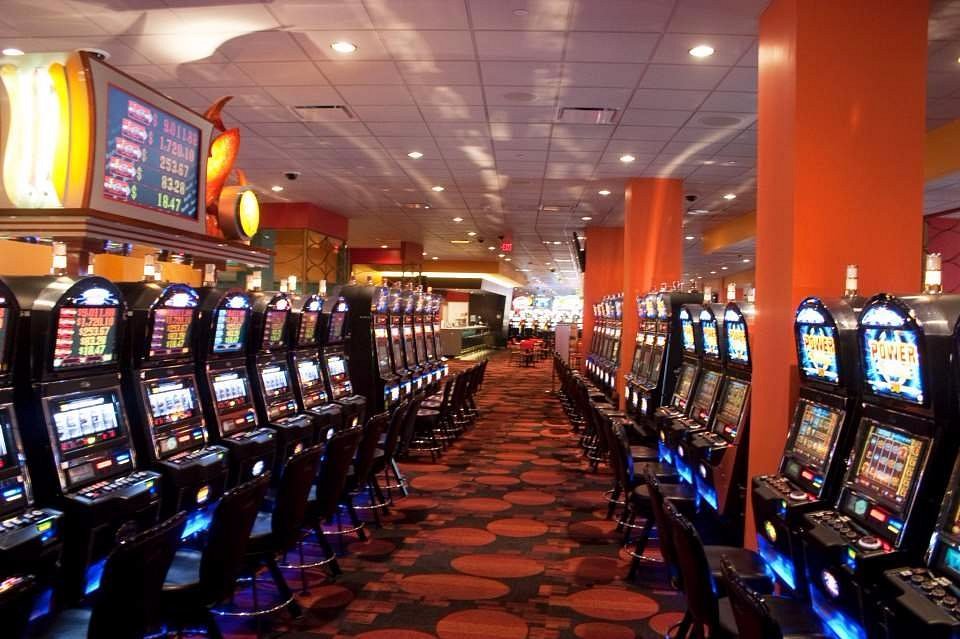
Additionally, the rise of modern technology has played a significant role in the evolution of Las Vegas casinos. From the introduction of electronic slot machines to sophisticated online gaming platforms, technology has transformed the gambling experience. Today, casinos offer a seamless blend of traditional gaming and digital innovation, appealing to a diverse range of players.
Global Expansion and Regulation
As the popularity of gambling spread, various countries began to regulate the industry, leading to a new era of casinos worldwide. Countries such as Singapore, Australia, and various locations in Europe started to establish their own gaming regulations, promoting responsible gambling while also maximizing tax revenues. This shift towards regulation created opportunities for both private investors and governments to capitalize on the booming industry.
In Asia, for instance, the introduction of integrated resorts in countries like Singapore has attracted millions of visitors, combining leisure and gambling under one roof. These resorts offer shopping, entertainment, and dining, enhancing the overall experience and making gambling a part of a larger tourism strategy.
Moreover, the global expansion of online casinos has revolutionized the gambling landscape. With the advent of the internet, players can now access a wide variety of games from the comfort of their homes. Online platforms have embraced cryptocurrencies, allowing for fast and secure transactions, catering to a new generation of tech-savvy gamblers seeking convenience and privacy.
The Future of Casinos
The future of casinos looks promising as they continue to evolve in response to changing societal norms and technological advancements. The integration of artificial intelligence and virtual reality technologies is set to reshape the gaming experience, providing players with immersive environments and personalized gaming options. Casinos are investing in creating unique experiences that blur the lines between reality and digital play.
Furthermore, the focus on responsible gambling is becoming increasingly vital. Casinos are now implementing various tools and resources to promote safe gambling practices. From self-exclusion programs to awareness campaigns, the industry is striving to ensure that entertainment does not come at the cost of players’ well-being.
As the gambling landscape continues to change, so too does the customer base. Younger generations are favoring online and mobile gaming, leading traditional casinos to adapt or risk losing relevance. The emergence of blockchain technology, with its promise of transparency and security, may further alter the gambling dynamic, shaping how casinos operate in the coming years.

Discovering Top Solana Casinos
As the landscape of gambling evolves, so does the way players engage with casinos, particularly with the rise of cryptocurrencies like Solana. Top Solana Casinos serves as a valuable resource for individuals looking to explore the best gaming platforms that accept SOL deposits. By meticulously reviewing these casinos, the site ensures that players have access to trustworthy options that meet rigorous standards of licensing and game variety.
The use of blockchain technology in gambling enhances user experience through fast transactions and secure gameplay. Players can enjoy a vast selection of games, from traditional favorites to modern innovations, all while benefiting from the transparency that comes with decentralized platforms. This shift not only appeals to seasoned gamblers but also attracts newcomers who value privacy and ease of use.
In summary, as we reflect on the evolution of casinos from ancient times to the modern era, it is clear that the journey is far from over. Resources like Top Solana Casinos are essential for helping players navigate this exciting landscape, ensuring they find the perfect match for an exceptional gaming experience that aligns with their preferences and values.