Introduction to Table Games
Table games are a staple in the world of gaming, often found in casinos and social settings. These games typically involve a betting component and are played on a dedicated table with specific layouts designed for each game. Common examples include blackjack, poker, and roulette, each offering a unique blend of strategy, skill, and luck that draws players in, especially for those who enjoy online pokies australia payid alongside traditional options. Understanding these games can greatly enhance the enjoyment, as well as increase the chances of success.
Unlike machine-based games, table games often require interaction with a dealer and other players, creating a social atmosphere that can be both exciting and engaging. The rules can vary significantly between different types of games, making it essential for beginners to familiarize themselves with the specific objectives and betting procedures associated with each. This guide will serve as a helpful resource for those new to table games, elucidating the basics and offering tips for a successful gaming experience.
Moreover, the appeal of table games extends beyond the thrill of competition; they also provide a great avenue for socializing and meeting new people. Players often gather around the tables, sharing strategies and celebrating wins, which fosters a sense of community. As such, understanding the nuances of table games can turn a casual player into a more informed participant who can fully enjoy the experience.
Popular Table Games and Their Rules
Blackjack, also known as twenty-one, is one of the most popular table games in casinos around the globe. The aim of the game is to beat the dealer’s hand without exceeding a total of 21. Players begin by receiving two cards, which can be a combination of face cards and numbered cards from a standard deck. Understanding when to hit, stand, split, or double down is essential to mastering the game. Each decision can significantly affect the outcome, making it imperative for novice players to grasp these strategies early on.
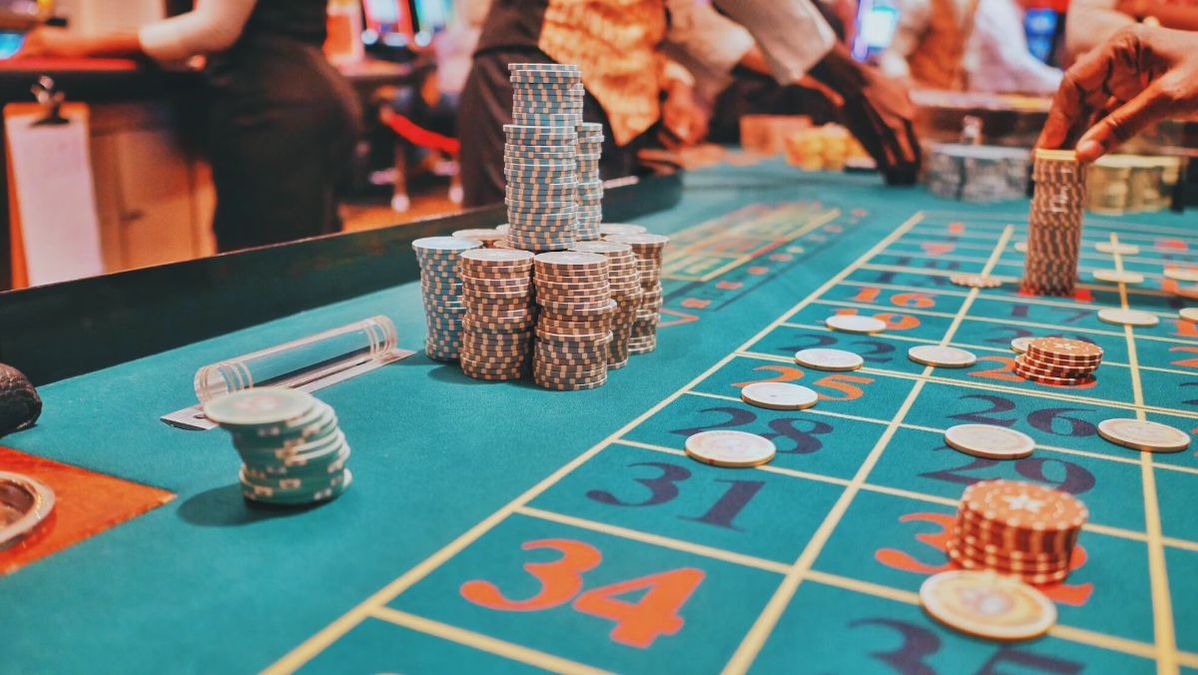
Another widely recognized game is roulette, where players bet on where a ball will land on a spinning wheel. The roulette wheel consists of numbered pockets, either red or black, and players can place their bets on a variety of options, including single numbers, color, or ranges of numbers. The thrill of watching the wheel spin and the anticipation of the ball dropping into a pocket make it a favorite among many. Novices should familiarize themselves with the different types of bets available, as each offers varied odds and payouts.

Poker, particularly Texas Hold’em, remains a beloved choice for table game enthusiasts. The game blends luck with strategic thinking, requiring players to not only form the best hand possible but also to read their opponents effectively. Key aspects include betting rounds and community cards, which add layers to the gameplay. Beginners should focus on learning hand rankings and basic strategies such as bluffing and assessing odds to improve their chances of success.
Strategies for Success in Table Games
Understanding the fundamental rules of table games is only the beginning; implementing effective strategies can greatly enhance a player’s experience. For instance, in blackjack, employing basic strategy charts can help beginners make informed decisions about when to hit or stand based on the dealer’s visible card. These charts are based on probabilities and can reduce the house edge significantly when used correctly.
In roulette, while the game is largely based on chance, players can develop a betting strategy, such as the Martingale system, where they double their bet after a loss. This strategy aims to recover losses and can be lucrative in the short term, but players should be cautious as it requires a substantial bankroll and can lead to significant losses if luck doesn’t swing their way.
Poker players can benefit from studying the art of bluffing and reading tells from their opponents. Developing an understanding of betting patterns and body language can provide valuable insights into the strength of their opponents’ hands. Additionally, beginners should practice patience and discipline, recognizing that winning at poker often involves making calculated decisions rather than acting on impulse.
The Social Aspects of Table Games
One of the most appealing elements of table games is the social interaction they foster. Unlike solitary gaming, table games encourage players to engage not only with the dealer but also with fellow players. This interactive environment can enhance the excitement of the game and make it more enjoyable. Many players build camaraderie over the shared experience, exchanging stories and strategies while enjoying the atmosphere.
Moreover, participating in table games can also enhance one’s understanding of human psychology. Players learn to read others as they gauge reactions and behaviors during gameplay. This skill is particularly crucial in games like poker, where bluffing and deception play key roles. As players become more adept at interpreting social cues, they often develop stronger communication skills that extend beyond gaming.
The social dynamics of table gaming can vary based on the game’s pace and structure. For example, games like blackjack often have a fast tempo, requiring quick decision-making, whereas poker can involve longer periods of contemplation and interaction. This diversity offers something for every type of player, appealing to those who thrive in fast-paced environments as well as those who prefer a more strategic, slower-paced challenge.
Exploring Resources to Enhance Your Game
For beginners eager to improve their table game skills, numerous resources are available online and offline. Many casinos and gaming establishments offer free lessons or tutorial sessions, allowing newcomers to practice without the pressure of real-money betting. Taking advantage of these opportunities can provide invaluable hands-on experience and bolster confidence before playing in a more competitive setting.
Additionally, a wealth of literature exists, ranging from basic rulebooks to advanced strategy guides. Investing time in reading about various games can deepen understanding and prepare players for different scenarios they might encounter during actual gameplay. Online forums and communities can also serve as excellent platforms for sharing tips and experiences with fellow gaming enthusiasts.
Finally, many online platforms offer virtual simulations of popular table games where players can practice at their own pace. These simulations help to reinforce learning and enhance decision-making skills without the immediate pressure of a live environment. Engaging with these resources will not only build a solid foundation in table games but also contribute to a more rewarding and enjoyable gaming experience.